Unlocking climate-resilient investment along the Abidjan-Lagos corridor through agro-logistics and cassava value chains
Summary
The Abidjan–Lagos Corridor (ALC) aims to provide regional connections within one of the world’s fastest growing urban markets. Rapid urban growth and rising food demand along the corridor offer opportunities for regional trade, value addition and investment. Yet in practice, it remains a high-friction trade route, characterised by fragmentation, persistent non-tariff barriers and high levels of informality. As a result, its potential as a regional agri-food system remains largely untapped, with limited processing capacity and a high-risk investment environment.
Unlocking the ALC’s potential will require going beyond the current focus on transport infrastructure towards making it a climate-resilient trade and logistics system. It also depends on improving data collection and use; strengthening digital trust infrastructure, traceability and financing mechanisms across the ALC’s fragmented value chains.
This note identifies two complementary entry points with investment potential:
(i) agrologistics, particularly through agro-industrial parks as anchor nodes; and
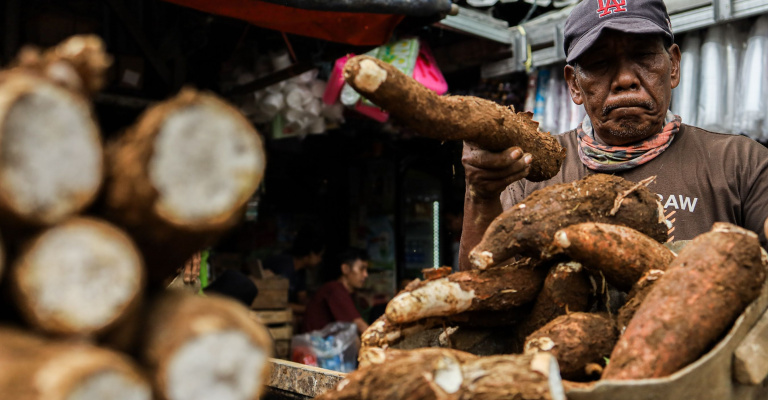
(ii) the cassava value chain, as an example of a scalable driver of industrial processing, import substitution and regional market integration.
By linking these areas, the paper highlights how targeted, de-risked investments can help align political and private-sector interests, strengthen regional value chains and turn the ALC into a more integrated and resilient economic corridor.
Our work on African food corridors
Explore our project page featuring ECDPM’s work on African food corridors, with insights on a variety of topics.