Development cooperation in a changing European strategic environment

Authors


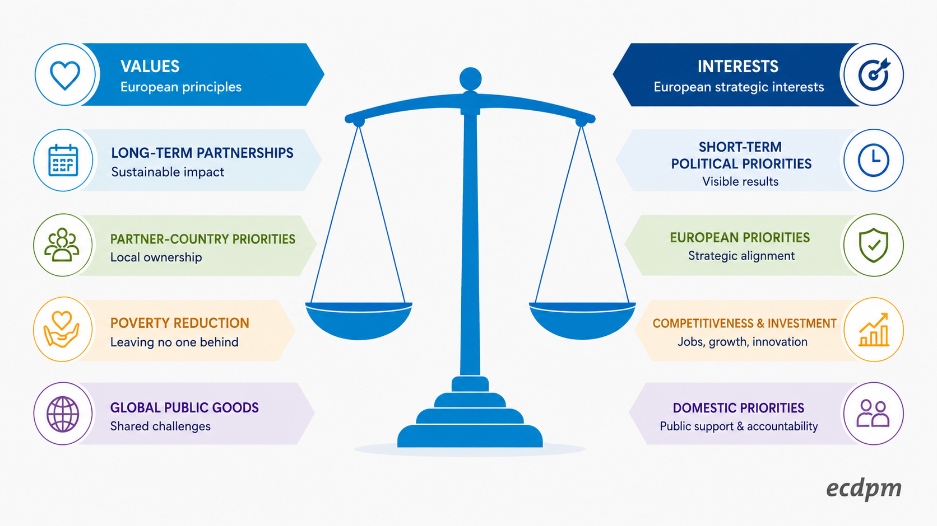
Alexei Jones and Andrew Sherriff argue that development cooperation should neither be insulated from wider European interests nor simply absorbed into them. Its future will depend on Europe’s ability to clarify what development cooperation is for, recognise its unique contribution and manage the trade-offs between different objectives and interests.
Summary
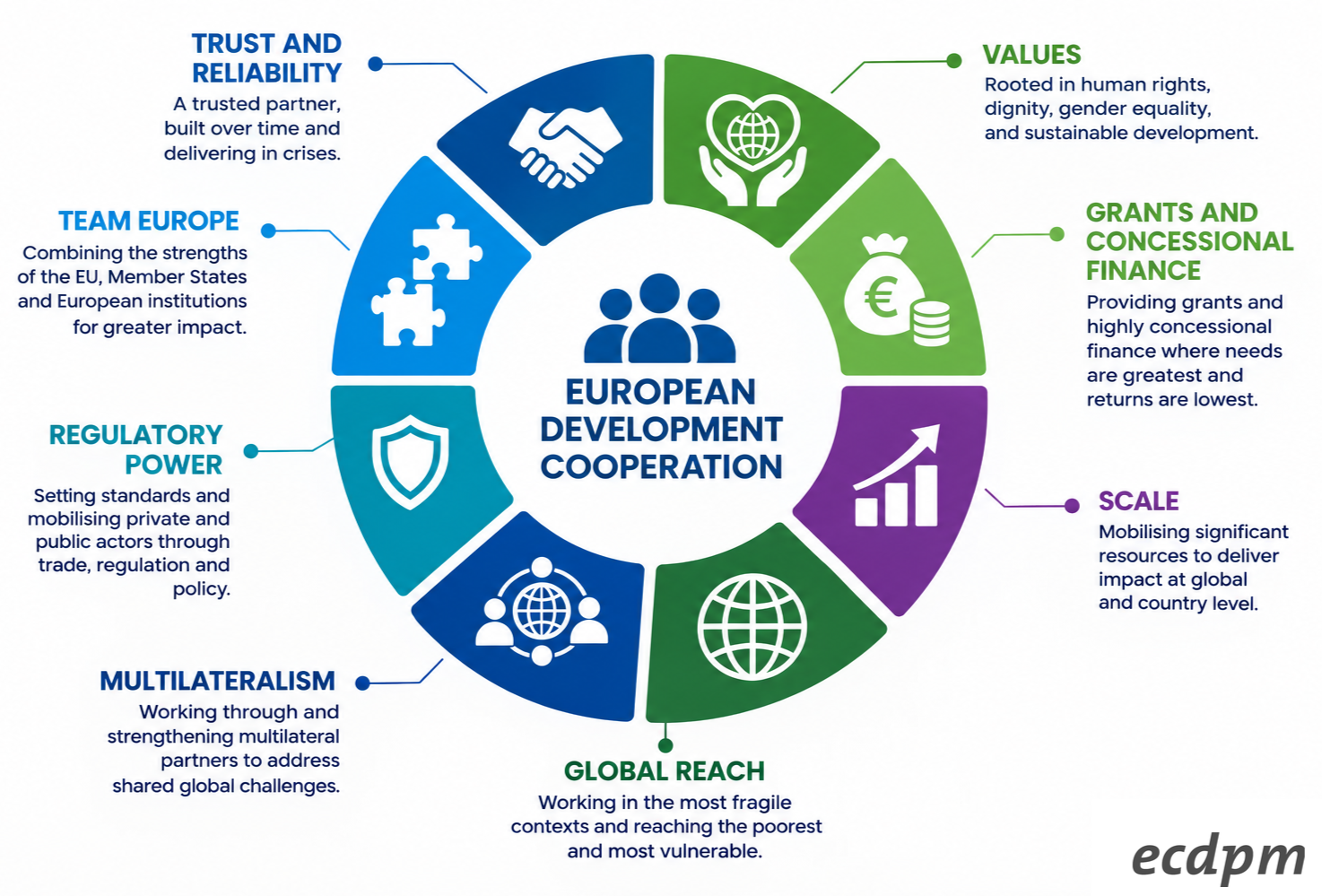
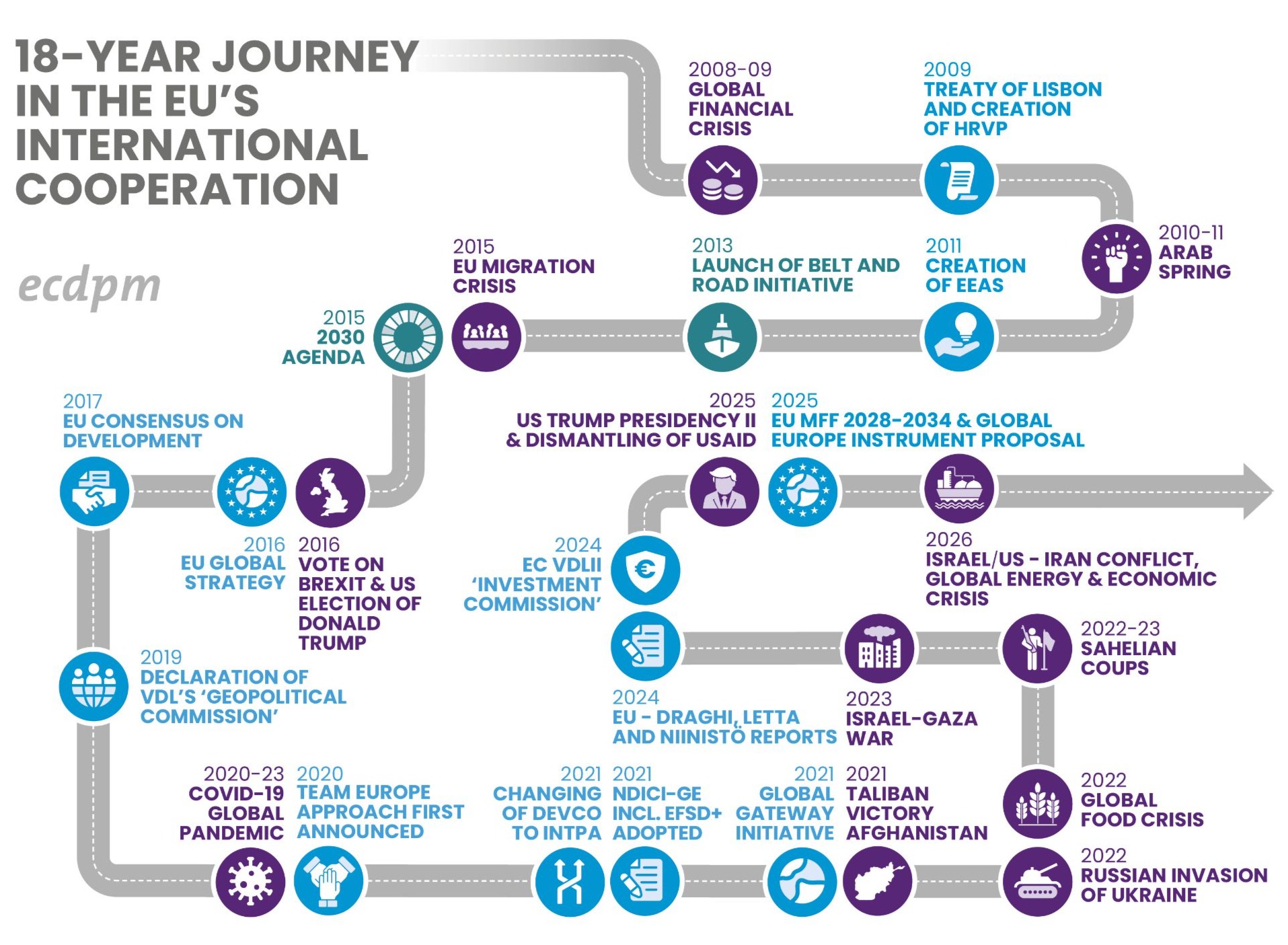
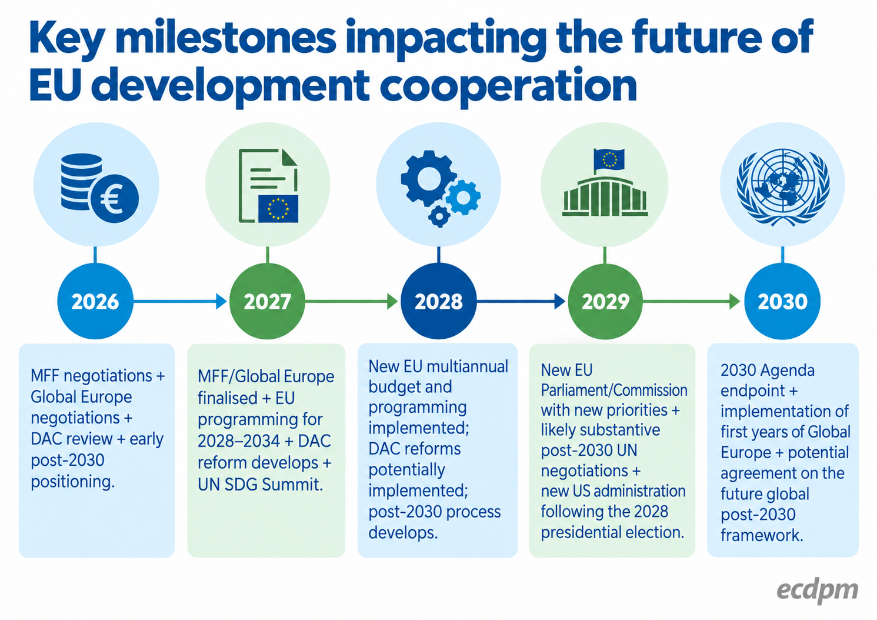
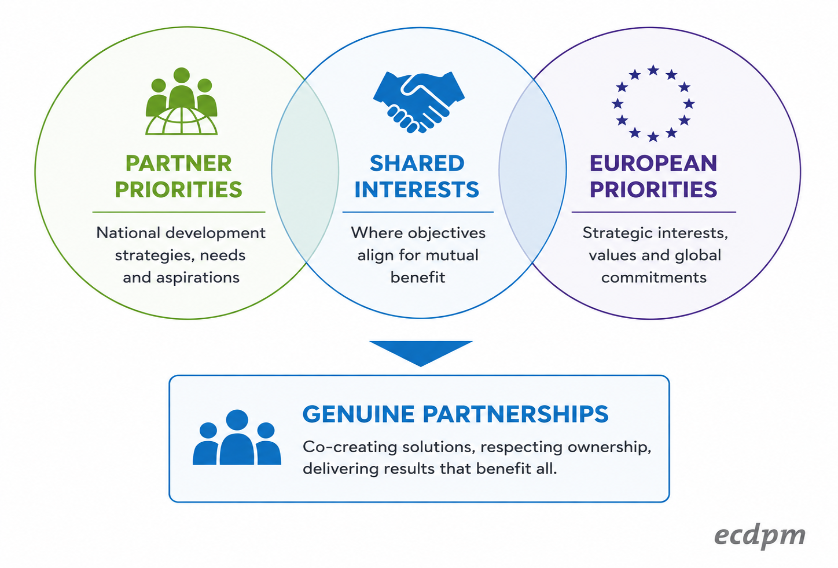
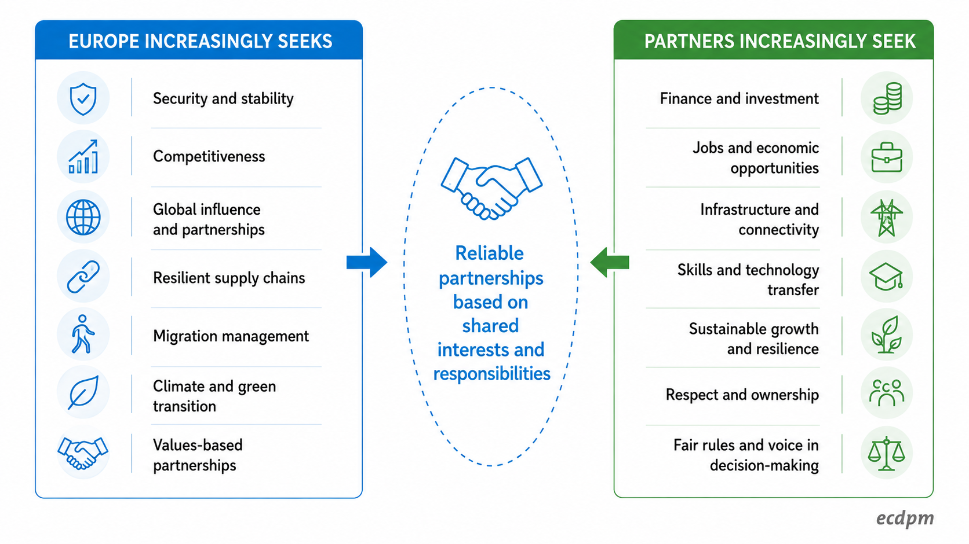
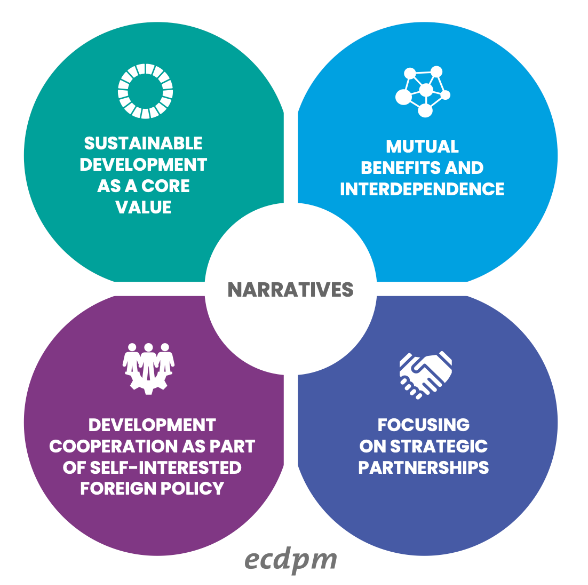
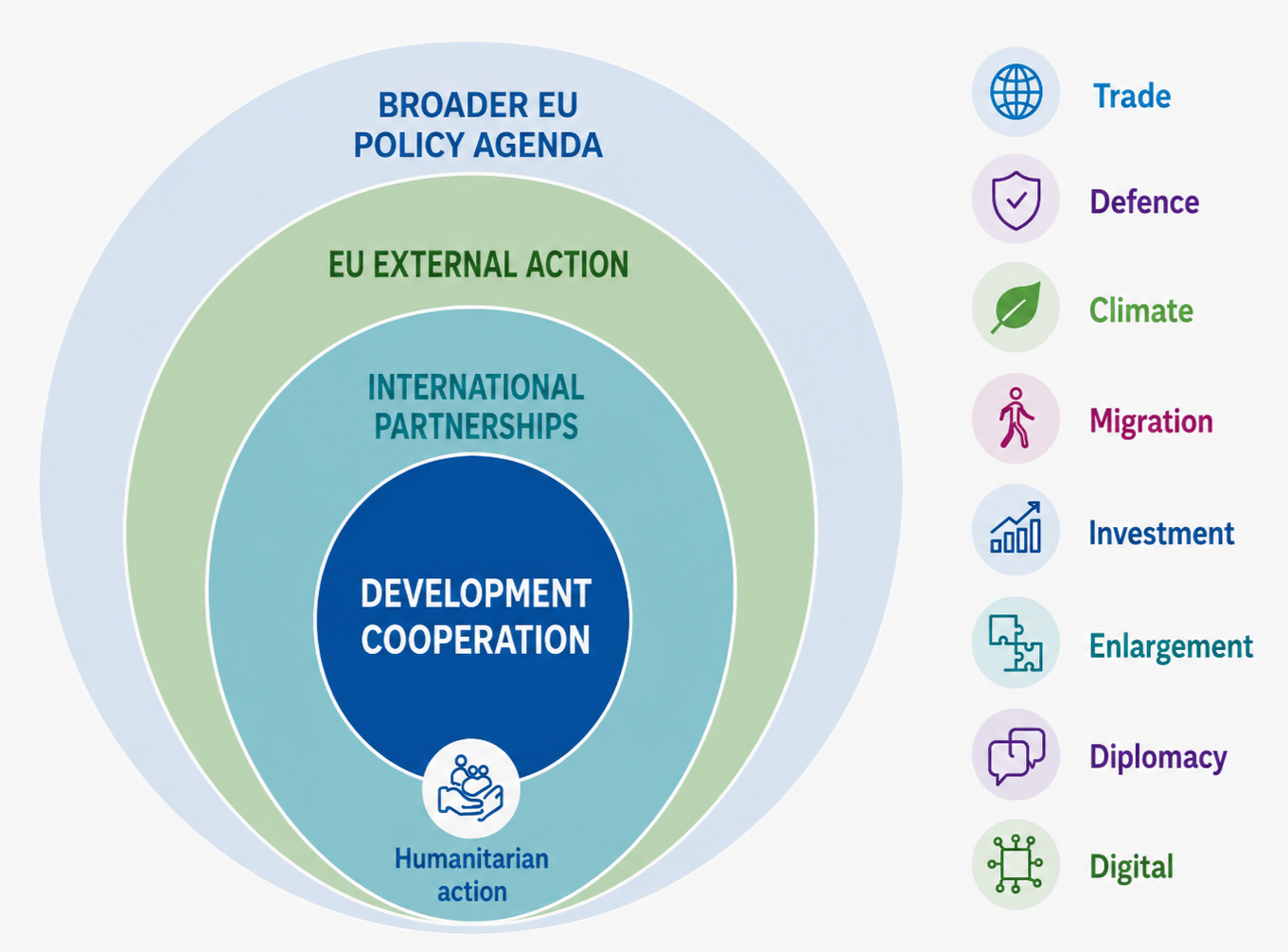
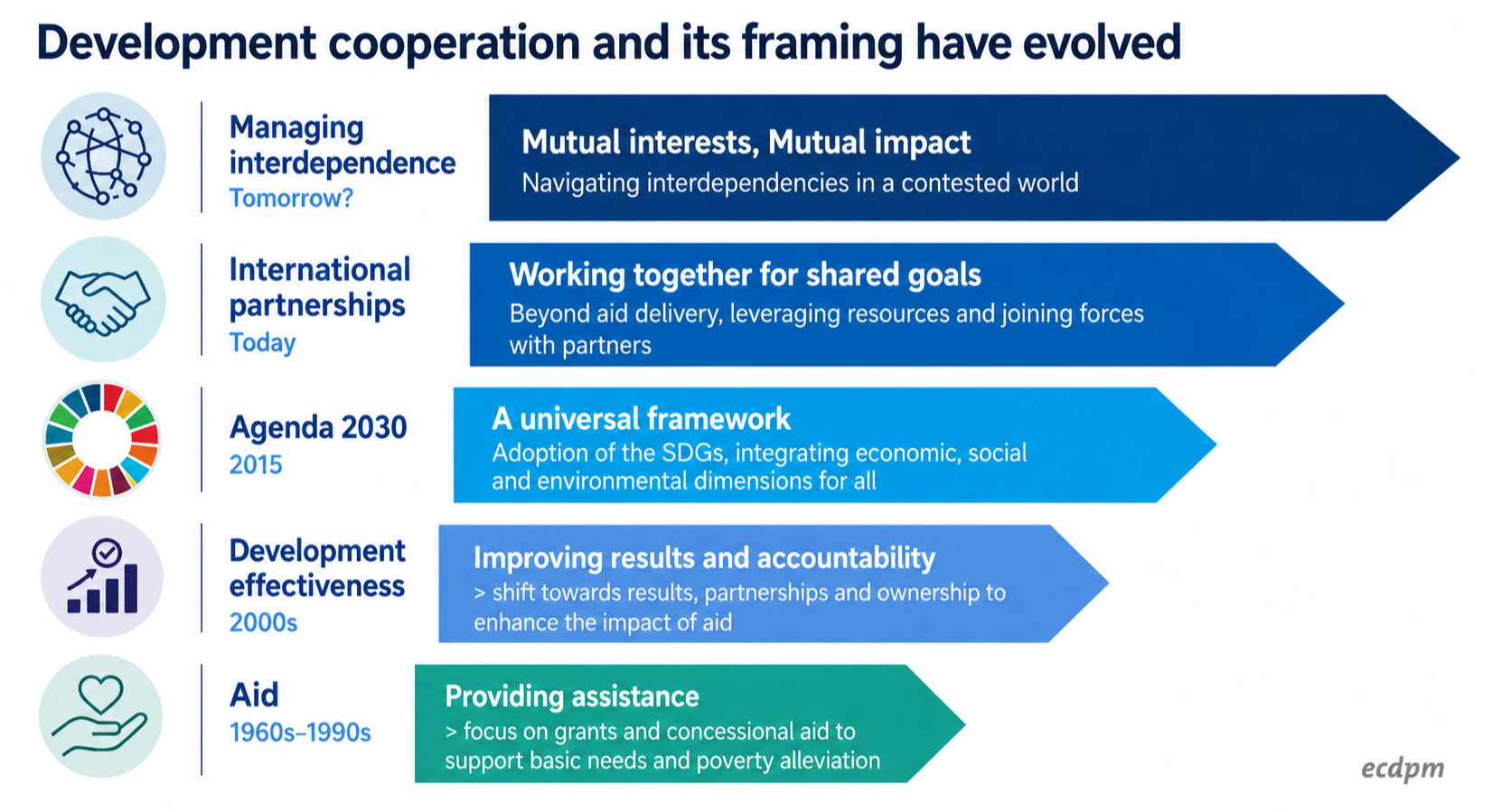
Geopolitical competition, fiscal pressures, changing domestic politics, shifting partner expectations and changes in the European policy landscape are reshaping the environment in which European development cooperation operates. It is increasingly part of a wider European strategic agenda, creating opportunities for greater coherence and leverage but also sharper tensions between European interests, development objectives and partner priorities.
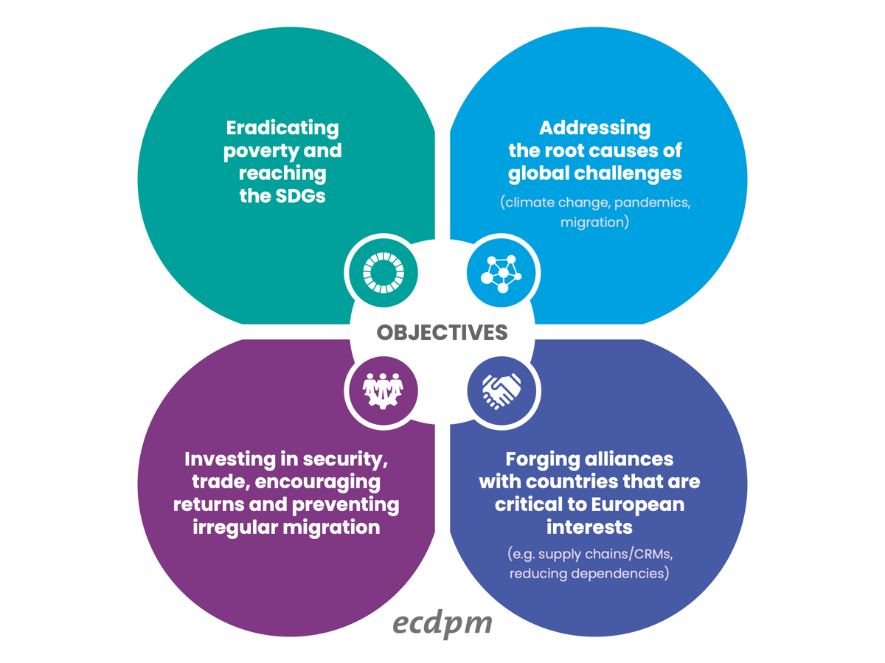
This paper argues that development cooperation should neither be insulated from wider European interests nor simply absorbed into them. Its future will depend on Europe’s ability to clarify what development cooperation is for, recognise its unique contribution and manage the trade-offs between different objectives and interests. This requires clearer choices about which objectives development cooperation is best placed to support, a financing and institutional toolbox that matches European ambitions, and negotiations on, rather than assumed alignment with partners’ interests. The paper identifies ten factors likely to shape European development cooperation over the coming decade.