What Dutch exports mean for African food systems
Authors

Do subsidised, highly efficient Dutch farmers push African farmers out of their markets? ECDPM and Wageningen University researched this question for the Dutch Foreign Ministry and the Dutch Parliament (Tweede Kamer). We analysed the trade data, selected two in-depth cases with the highest probability of structural negative impacts – and, based on econometric analysis and interviews, found that there were no such harmful impacts in these cases. This also indicates that impacts in other cases would likely be very limited.
Read the full report hereUnfair competition and distortions were expected
Personally, I was not expecting this result. The EU is an agricultural juggernaut; the Common Agricultural Policy is one of the largest subsidy schemes in the world; the Netherlands has one of the most productive, export-oriented agri-clusters worldwide. When operating in the same markets as constrained smallholder farmers, surely we will find ‘unfair’ competition?
Partly this view came from the abundant grey literature about potential problems at the EU level - famously with milk powders or chicken parts. There is a good reason why the worry is there: historically, the CAP had export subsidies, for example, and was seen as one of the most incoherent policies with development. Some impacts could likely still structurally linger. But more recent studies show two things: one, that the CAP has dramatically improved its coherence, and two, really how important trade is for food and nutrition security overall. There is also an understated other side of the trade coin: while regulatory hurdles do complicate exports from Sub-Saharan Africa to the EU, the region also has maintained a consistent agri-trade surplus with the EU since at least 2014, with 2025 showing a record surplus.
No impact is surprising – why is that?
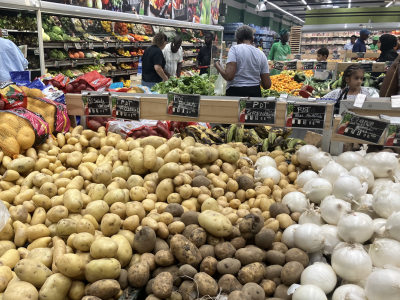
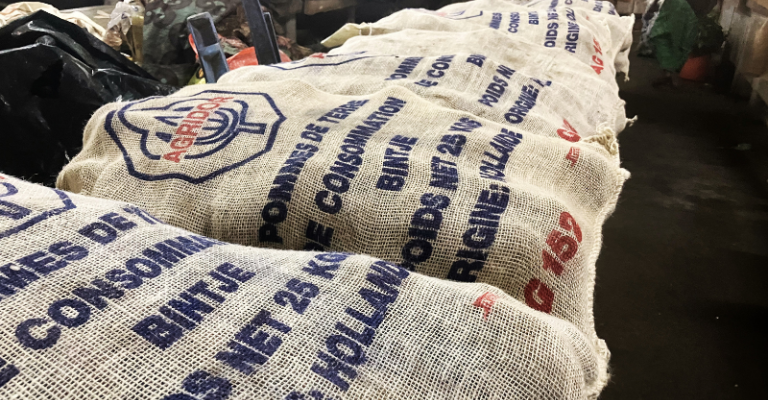
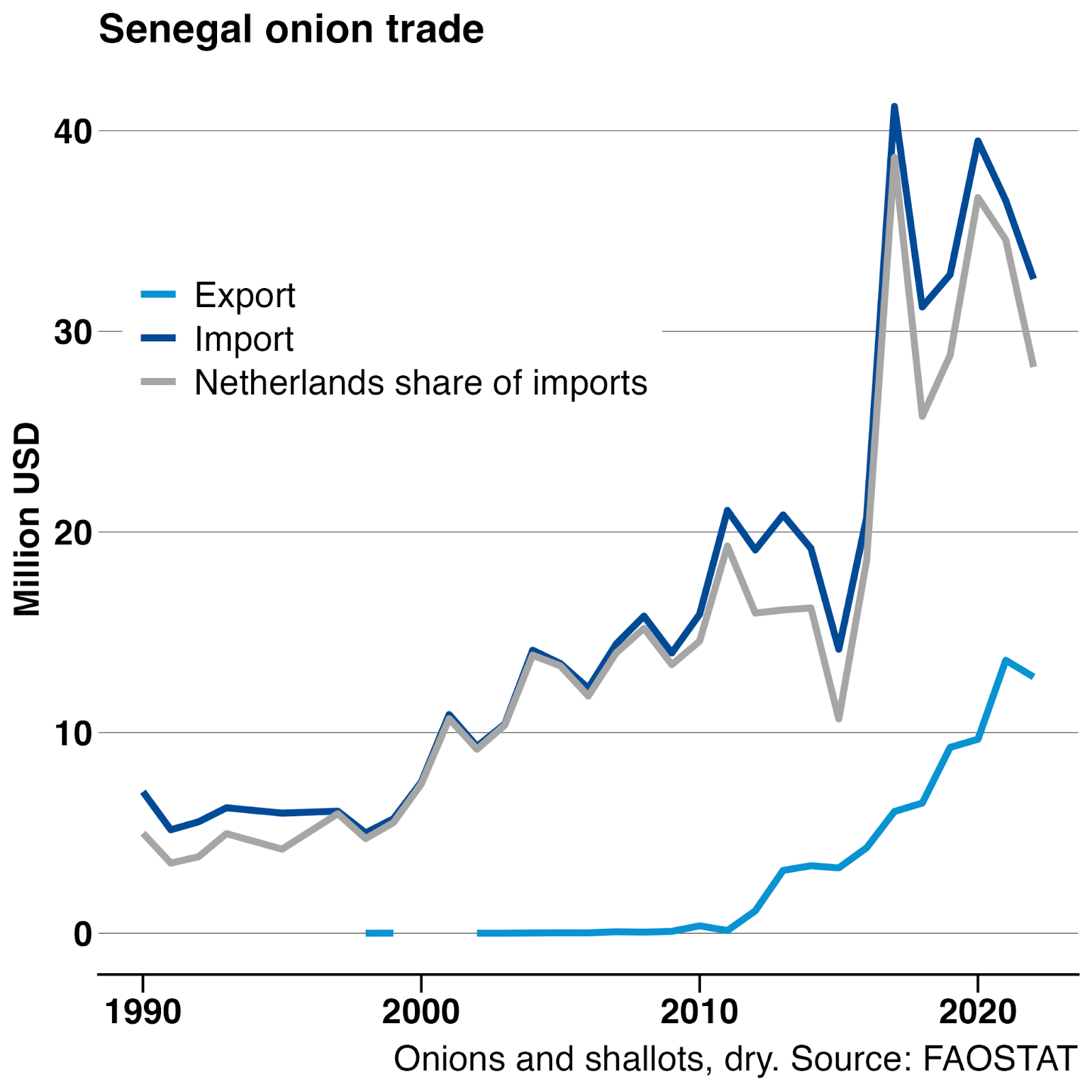
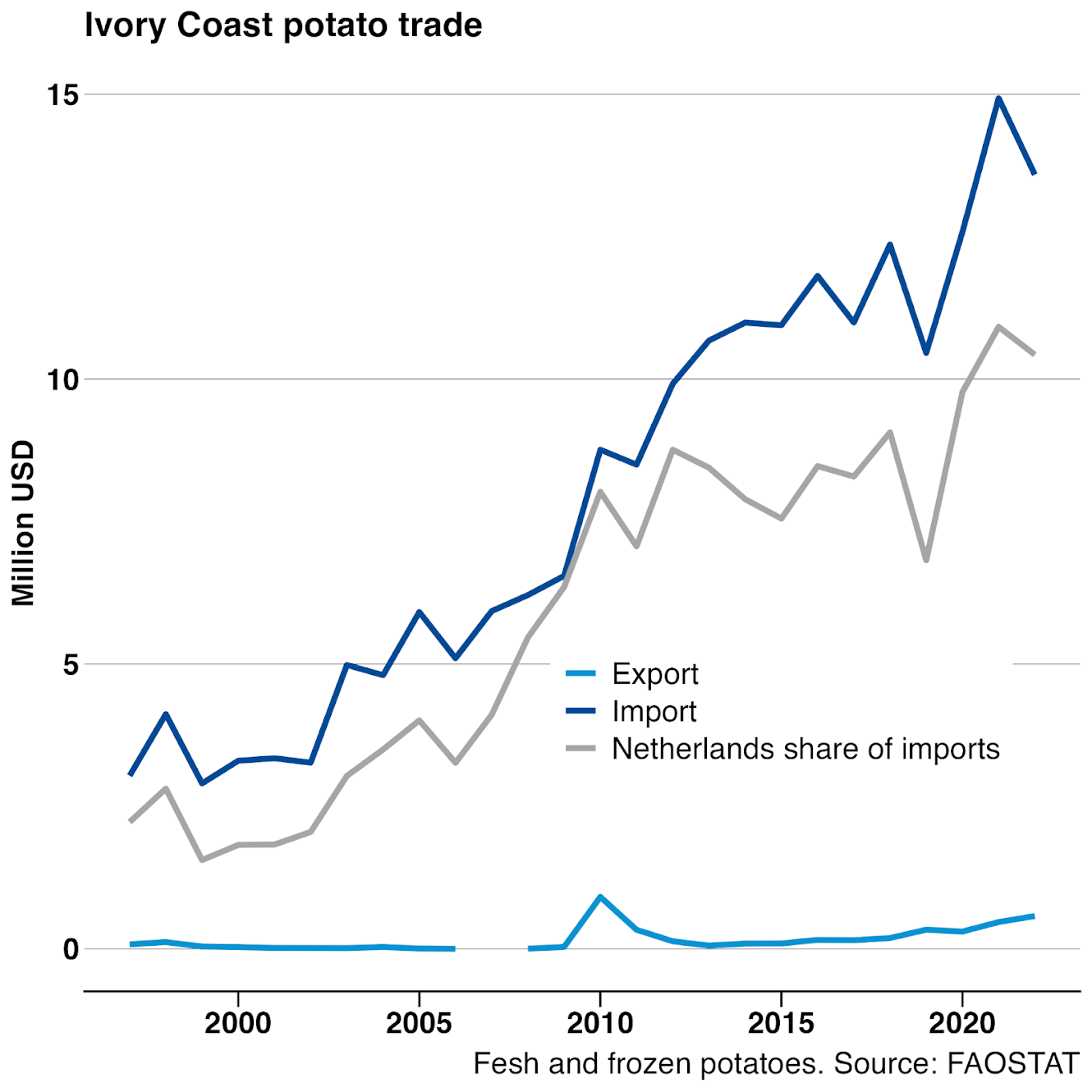
Why no impacts, then? Trade data shows that Dutch food exports to ‘vulnerable countries’ are declining, and there are few instances where they have a substantial market share and attribution of impact is possible. Two cases were selected: onion exports to Senegal and potato exports to Côte d'Ivoire ($ 33.3 million volume and 71% market share for onions to Senegal; $ 10.0 million and 84% for potatoes to Côte d'Ivoire).
Unfortunately, these cases have a certain degree of research overlap as they have similar characteristics - namely, an unprocessed product traded to nearby West African nations. But there were just no other good candidates, which is frustrating from a project point of view, but also shows how the Netherlands is mostly just one exporter among many.
Seasonal sequencing allows consumers to access affordable food year-round without directly undercutting farmers when they bring their produce to market.
Senegal: Complementary instead of competition
In Senegal, onions are a widely cultivated staple, indicating the possibility of direct competition. We found that trade is, however, complementary: Senegal has built a system that restricts imports during its domestic harvest season. Dutch onions mainly enter the market only when the domestic supply is low. This seasonal sequencing matters. It allows consumers to access affordable food year-round without directly undercutting farmers when they bring their produce to market. Local onion production is growing strongly, even with the imports, as the government has a strong food sovereignty agenda intended to further lower imports and achieve self-sufficiency, which would require solving issues of storage, seeds, quality, and market organisation.
Côte d'Ivoire: Abundant alternatives
In Côte d'Ivoire, there is almost no local potato cultivation, indicating possibly long-term structural outcompetition. We found that Ivorian farmers indeed do not produce potatoes, but mostly because they are - both historically and now - not that interested in it: high startup costs, unsuitable growing conditions in many areas and limited technical capacity make growing unattractive, especially compared to alternatives. And importantly, there are other opportunities: Côte d'Ivoire is a highly successful agricultural exporter, with a political economy targeting these export value chains. Imports are seen as creating and sustaining a market, not (yet) as competition.
In both Senegal and Côte d'Ivoire, Dutch exports play a double role as well: their onion and potato seeds are well-regarded and seen as essential to boost local production and competitiveness. The same goes for training and technology.
Understanding the distribution of impacts is really key to helping trade contribute to, rather than undermine, the building of better systems.
Are these cases the exception or the rule?
While these findings don't rule out the possibility of Dutch exports causing impacts in other contexts, we deliberately chose these two cases because they represented the highest probability of impact. If no structural harm was found in the very places where the Dutch presence is strongest, it is most plausible that for the vast majority of other, smaller export flows, the impact on local African markets is either entirely absent or, at most, very limited.
An important caveat: this study’s goal was to go beyond anecdotal evidence and to focus specifically on the Netherlands. Looking at EU exports overall would obviously expand the cases suitable for selection and might yield different findings in other cases.
From a policy perspective, trade often creates advantages for some and disadvantages for others. There are similar concerns of unfair competition in the EU for the agri-sector (e.g. the EU-Mercosur trade agreement) and in other sectors (e.g. Chinese consumer exports). It is extra sensitive, though, when it is about food – essential for survival – and when it might impact vulnerable populations. The stakes are high, as building sustainable and resilient food systems depends on balancing competing priorities. Understanding the distribution of impacts is really key to helping trade contribute to, rather than undermine, the building of better systems.
The views are those of the author and not necessarily those of ECDPM.
Our work on Dutch food exports
Explore our project page featuring ECDPM’s work on Dutch food exports, with insights on a variety of topics.